A Clear Step-by-Step Look at the Process
If you are scheduling a raccoon removal service, you can expect a full inspection, a safe plan to remove the animal, and steps to keep it from coming back. The process usually starts with checking your home, then humane trapping or eviction, followed by sealing entry points and cleaning up damage. Knowing how it works helps you feel calm and prepared.
What You Need Before the Service Starts
Before raccoon removal begins, there are a few simple things you can do. Clear items away from the area where the raccoon was seen. This may be your attic, garage, crawl space, or yard. Make sure pets and children stay away from that area.
It also helps to share details with the technician. For example:
- When you first heard or saw the raccoon
- Where you hear noises, like scratching or thumping
- If you noticed torn vents or damaged shingles
- Any strong smells coming from walls or ceilings
This information helps the team plan the safest and fastest fix.
Step-by-Step Process During Raccoon Removal
Most raccoon removal jobs follow a clear set of steps. While each home is different, the general process is similar.
- Inspection of the property. The technician checks the roof, soffits, vents, attic, and crawl spaces. They look for entry holes, nesting areas, and droppings.
- Confirming raccoon activity. Not all noises are raccoons. The inspection confirms the animal type and checks for babies, which often arrive in spring.
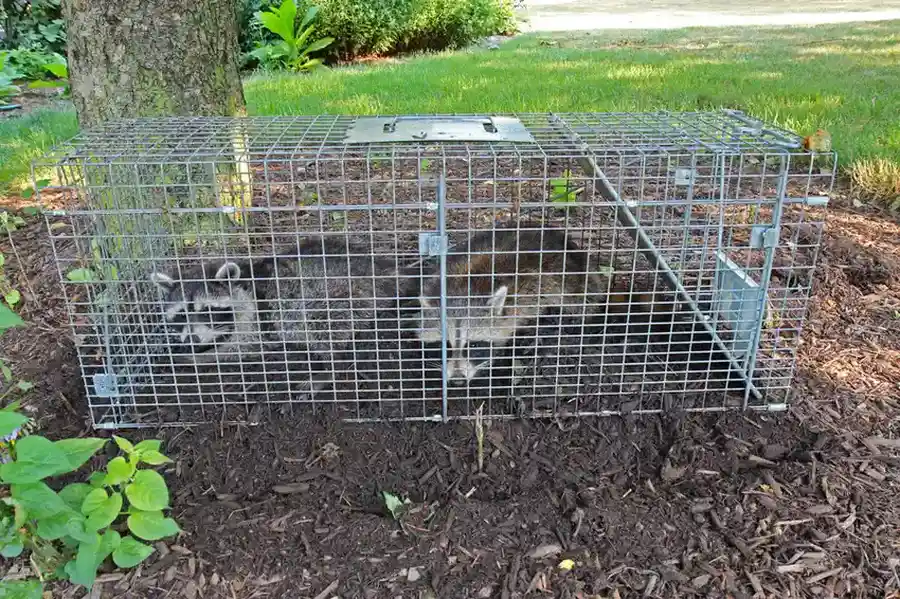
- Humane removal plan. Depending on the situation, this may include one-way doors, live traps, or hands-on removal if babies are present.
- Monitoring and follow-up. Traps or exit doors are checked on a set schedule. This step makes sure all raccoons are gone.
- Sealing entry points. After removal, damaged areas are repaired and reinforced with strong materials.
- Clean-up and sanitation. Soiled insulation, droppings, and nesting debris are removed to improve safety and air quality.
This full approach makes raccoon removal more than just catching an animal. It solves the root problem.
Common Mistakes to Avoid
Homeowners sometimes try to fix the issue on their own. This can lead to bigger problems. Here are mistakes to avoid:
- Blocking the entry hole before the raccoon leaves
- Using poison, which can cause odor and health risks
- Getting too close to a trapped raccoon
- Ignoring baby raccoons in nesting season
If you seal a hole while a raccoon is still inside, it may panic and cause more damage. A mother raccoon separated from her babies may also tear into walls to reach them. Safe timing and planning are key parts of proper raccoon removal.
When to Call a Professional
You should call for professional raccoon removal if you hear loud thumping in the attic, see raccoons entering your roofline, or notice strong odors indoors. Raccoons can carry diseases and may become aggressive if cornered. Climbing on roofs or entering tight attic spaces also brings risk.
A trained technician has the right tools and follows local wildlife rules. They know how to handle adult raccoons and babies safely. They also know how to repair wildlife damage so the problem does not return.
Final Recommendation and Support
If you live in Camden, SC and hear signs of raccoons in your attic or walls, taking action early can prevent major damage. Our team at Watfords Nuisance Wildlife Trapping of Camden handles raccoon removal from inspection to full repair. We focus on safe removal, strong sealing, and clean restoration so your home stays protected. Call us at (803) 339-8301 to schedule a visit or ask questions about your situation. We are ready to help you solve the problem the right way.