How Clearing Animal Carcasses Helps Protect Your Home and Family
Dead animals in or around your home can spread germs, attract pests, and create serious odors. The health risks reduced by dead animal removal services include fewer bacteria in the air, lower chances of insect infestations, and less exposure to harmful parasites. Fast action keeps your family, pets, and property safer.
Quick Diagnosis: Why a Dead Animal Is More Than Just a Bad Smell
If you notice a strong, rotting odor that will not go away, there may be a dead animal in your wall, attic, crawl space, or yard. Many people think the biggest problem is the smell. The real danger is what you cannot see. As the animal breaks down, bacteria and fluids can spread into nearby areas. Flies may lay eggs, and maggots can hatch within hours.
Dead animal removal helps stop this process early and limits the health impact on your household.
Common Symptoms of a Hidden Carcass
A dead animal does not always appear in plain sight. You may notice warning signs before you find the source.
- Strong, sour, or rotten odor that gets worse over time
- Sudden increase in flies or other insects
- Stains on ceilings or walls
- Pets scratching or sniffing at one area
- Greasy spots or leaking fluids
These signs mean you may need dead animal removal as soon as possible. Waiting too long can allow bacteria and pests to spread.
Likely Causes of the Problem
Animals often enter homes while searching for food or shelter. They may crawl into attics, wall voids, chimneys, or under decks. Sometimes they get trapped and cannot escape. In other cases, poison or injury causes them to die inside hidden spaces.
Common animals found during dead animal removal include:
- Rodents such as rats and mice
- Squirrels
- Raccoons
- Opossums
- Skunks
Each animal carries its own set of bacteria and parasites. When the body decays, those germs can move into the air and surrounding materials.
What to Check First
Before calling for help, you can do a quick and safe check. Walk around your home and try to narrow down the strongest odor. Look for insect activity near windows or light fixtures. Check your attic if it is easy and safe to access.
Do not open up walls or ceilings on your own unless you are fully prepared. Cutting into drywall without knowing the exact location can spread fluids or attract more pests.
Safe Fixes Vs Pro-Level Fixes
If the animal is small and easy to reach, such as in your yard, wearing gloves and using a shovel may be enough. You should place the carcass in a sealed bag and follow local disposal rules.
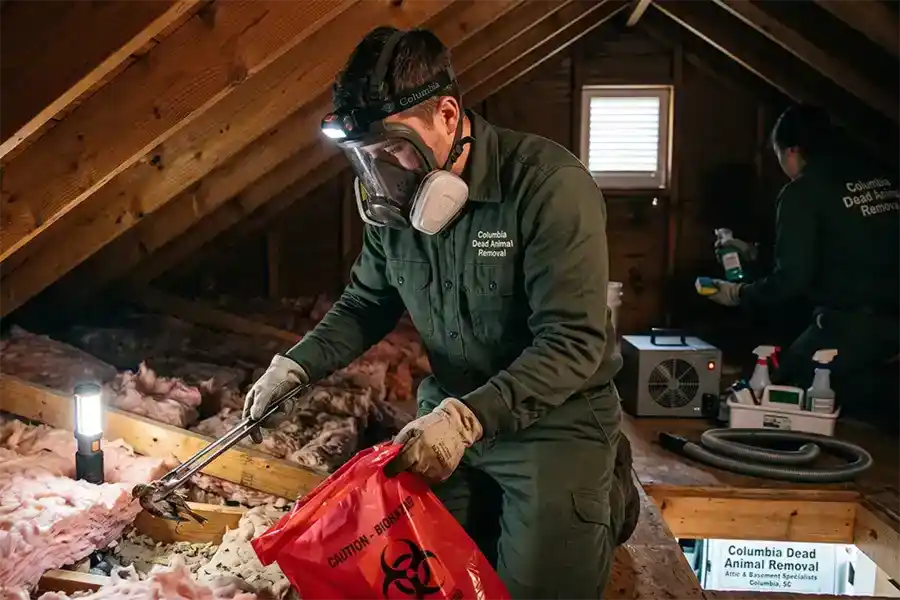
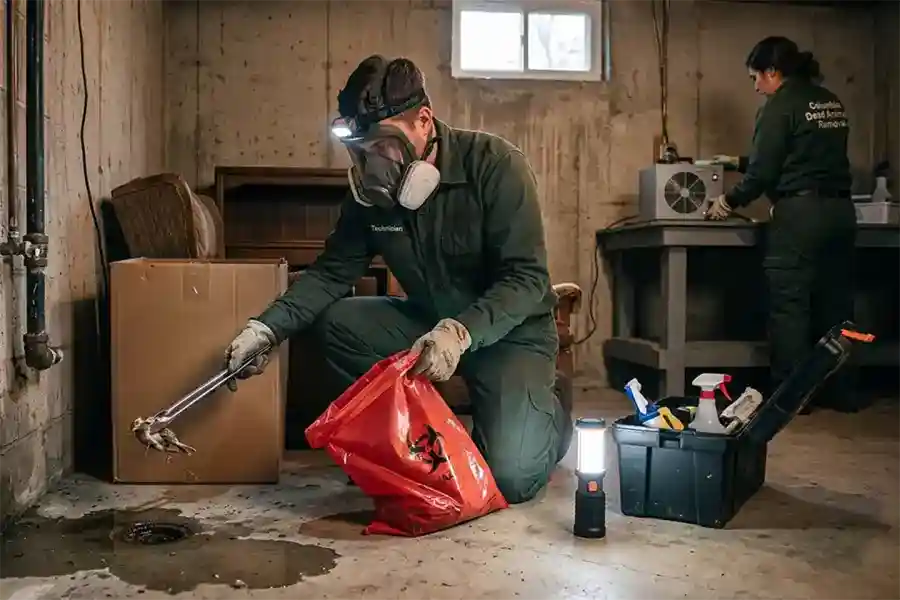
However, most indoor cases require professional dead animal removal. Hard-to-reach spots and advanced decay create higher health risks. Professionals use:
- Protective gear to prevent direct contact
- Special tools to access tight areas
- Disinfectants to clean affected surfaces
- Deodorizers to control lingering smells
They also inspect the area for entry points. This step helps reduce the chance of another animal getting inside.
Prevention Tips to Lower Future Health Risks
Once the animal is removed, focus on keeping new ones out. A few simple actions can protect your home:
- Seal gaps around vents, pipes, and rooflines
- Repair damaged screens and soffits
- Keep trash bins tightly closed
- Trim tree branches away from the roof
- Store pet food in sealed containers
Routine inspections also help catch small problems before they turn into major ones. Healthy homes start with basic upkeep.
Final Recommendation
If you notice strong odors, insect swarms, or signs of decay, fast action matters. Professional dead animal removal lowers health risks by removing bacteria sources, stopping pest breeding, and cleaning contaminated areas. Acting quickly helps protect indoor air quality and keeps your home safe for everyone.
Get Expert Help Today
If you suspect a hidden carcass in your home in Camden, SC, fast action can protect your family and pets. At Watfords Nuisance Wildlife Trapping of Camden, we handle safe and thorough dead animal removal with the right tools and training. We locate the source, remove it carefully, clean the area, and help block future entry points. Call us at (803) 339-8301 to schedule service or ask questions about your situation.