Safe Steps to Remove Animal Remains and Disinfect Your Space
Dead animal removal and sanitization procedures involve finding the source, safely removing the remains, cleaning the affected area, and disinfecting to stop odors and germs. The goal is to protect your health and prevent pests from returning. Whether the animal is in a wall, attic, crawl space, or yard, these steps help restore the area safely and fully.
What You Need Before Starting
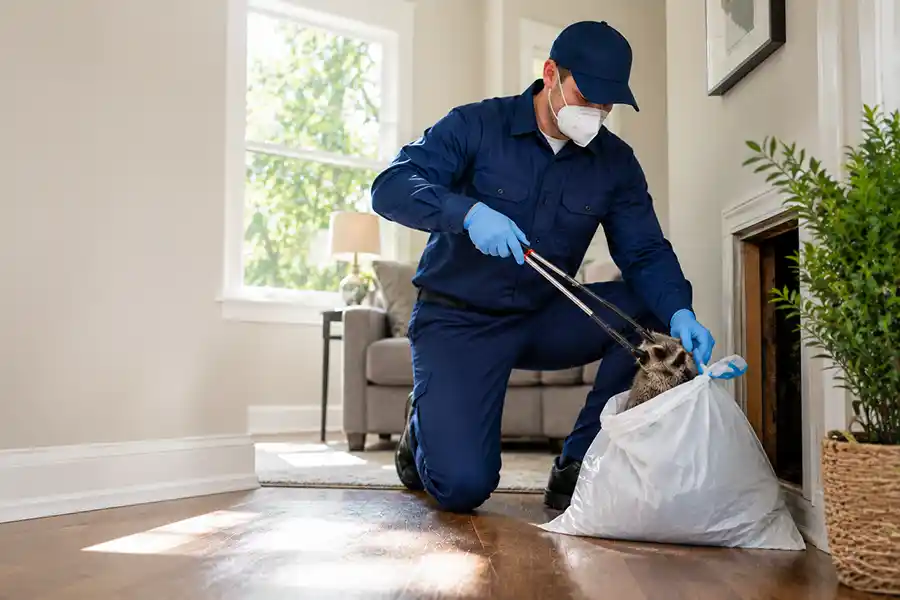
Before starting dead animal removal, you need the right tools and safety gear. Never handle animal remains with bare hands. Even small animals can carry bacteria and parasites.
- Disposable gloves
- N95 mask or respirator
- Safety goggles
- Heavy-duty trash bags
- Paper towels or disposable rags
- Disinfectant cleaner
- Shovel or scoop
If the animal is inside a wall or tight attic space, you may also need basic tools to open and reseal the area.
Step-by-Step Removal and Cleaning Process
- Locate the animal. Follow the odor. Look for stains, flies, or wet spots on walls or ceilings.
- Protect yourself. Put on gloves, mask, and eye protection before touching anything.
- Remove the remains. Use a shovel or scoop. Place the animal in two sealed trash bags.
- Dispose properly. Follow local waste rules for animal disposal.
- Clean the area. Wipe all surfaces with disposable towels and cleaning solution.
- Disinfect thoroughly. Use a strong disinfectant that kills bacteria and viruses.
- Deodorize if needed. Odor neutralizers help break down lingering smells.
Dead animal removal is only part of the job. Sanitizing the area is just as important. Fluids from decomposition can soak into wood, drywall, or insulation. Damaged materials may need to be removed and replaced.
Common Mistakes to Avoid
Many homeowners rush through the job. That can lead to ongoing smells or hidden contamination.
- Not wearing protective gear
- Using weak household cleaners instead of disinfectant
- Leaving stained insulation behind
- Failing to find the entry point that allowed the animal inside
Another mistake is masking the odor instead of fixing the source. Sprays may hide smells for a few days, but the scent will return if the area is not cleaned the right way.
When to Call a Professional
Some situations are unsafe for DIY removal. If the animal is inside a wall cavity, deep in ductwork, or in a hard-to-reach attic, the job can become complex. Large animals like raccoons or opossums are also harder to handle safely.
Professional dead animal removal teams have training and proper equipment. They can cut access points carefully, remove contaminated insulation, and restore the space. Many companies also provide services within the broader wildlife control field, helping stop future animal entry.
If you notice strong odors that last more than a few days, an increase in flies, or stains spreading on walls or ceilings, it is time to seek help. Quick action limits damage and reduces health risks.
Final Recommendation and Next Steps
Dead animal removal and cleaning must be handled with care. Acting quickly reduces odor, bacteria growth, and pest problems. Always use protective gear, disinfect thoroughly, and replace contaminated materials when needed. If the job feels unsafe or too large, professional help is the safer choice.
Need Help With Safe Animal Removal?
If you are dealing with strong odors or hidden animal remains in Camden, SC, we are ready to help. At Watfords Nuisance Wildlife Trapping of Camden, we handle dead animal removal and full sanitization with careful attention to safety and cleanliness. We use proper protective equipment, remove contaminated materials, and disinfect affected areas so your space is safe again. Call us at (803) 339-8301 and let us take care of the problem the right way.