
How Mice and Rats Sneak Inside Without You Noticing
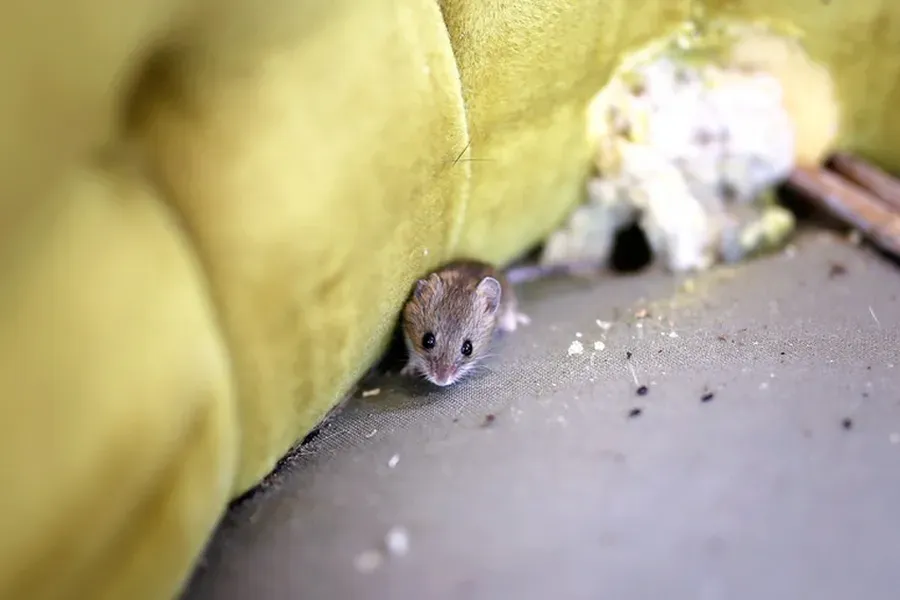
The most common entry points rodents use to access your home are small cracks in the foundation, gaps around doors and windows, attic and roof vents, garage doors, and openings around pipes or utility lines. Mice can squeeze through a hole the size of a dime. Rats can fit through gaps as small as a quarter. If there is a tiny opening, they can find it and use it.
What You Need Before You Start Checking
You do not need special tools to inspect your home. A few simple items will help you spot trouble areas:
- A flashlight
- Work gloves
- A small mirror for tight spots
- Sealant or steel wool for small gaps
- Weather stripping if needed
Walk slowly around the outside of your house. Pay close attention to corners, edges, and places where different materials meet. Rodents often enter where wood, brick, and siding connect.
Step-by-Step: Where to Look First
- Check the foundation. Look for cracks, loose bricks, or holes near the ground. Even small gaps can become a doorway for mice.
- Inspect doors and windows. Look for worn weather stripping and gaps at the bottom of doors. Shine a flashlight from inside at night. If you see light coming through, rodents can enter.
- Examine garage doors. Garage door seals often wear out. Small gaps at the corners are common entry points.
- Look at roof edges and attic vents. Damaged vents or loose shingles can allow rats to reach your attic.
- Check around pipes and cables. Water lines, gas lines, and cable wires often leave small holes in walls. These are easy access points.
- Inspect crawl spaces. Make sure vents are secure and screens are not torn.
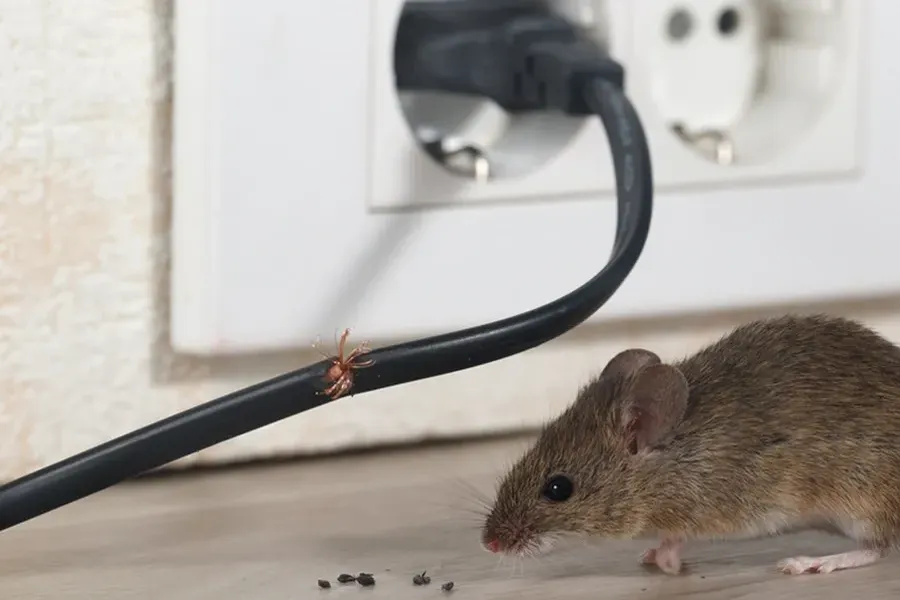
If you find droppings, chew marks, or nesting material, that often means the entry point is nearby. Following these steps helps support early rodent control before an infestation grows.
Common Mistakes to Avoid
Many homeowners seal only the hole they see. Rodents often have more than one way inside. Blocking a single gap may not solve the problem.
Another mistake is using soft materials like foam alone. Mice can chew through many types of foam and rubber. It is better to use steel wool combined with caulk for small holes. For larger openings, metal flashing works well.
Do not forget the roof. People often focus only on ground level. Rats are strong climbers and can enter through damaged vents or gaps along the roofline.
When to Call a Professional
If you hear scratching in walls or the ceiling, rodents may already be nesting inside. If traps are not working or you keep seeing fresh droppings, the problem may be larger than you think.
Professional rodent control services can inspect the entire property, not just the obvious areas. Experts know how to spot hidden gaps and signs that most people miss. They can also set up safe trapping plans and help prevent future entry.
Homes with complex rooflines, multiple additions, or crawl spaces often benefit from a full inspection. A trained team can also check insulation and attic spaces for hidden damage.
Final Recommendation and Next Steps
The best way to protect your home is to act early. Walk around your property at least twice a year. Check for new cracks, damaged vents, or worn seals. Keep bushes trimmed away from walls. Store food in sealed containers. Take trash out often.
If you suspect rodents are already inside, do not wait. Fast action limits damage to wiring, insulation, and wood framing. Sealing entry points and setting proper traps are key parts of effective rodent control.
Need Help With Rodent Problems?
If you are dealing with recurring rodent issues in Camden, SC, we can help inspect your home and find the hidden gaps that rodents use every day. At Watfords Nuisance Wildlife Trapping of Camden, our team handles rodent control with thorough inspections and long-term sealing solutions. Call us at (803) 339-8301 to schedule a visit and let us help protect your home from unwanted pests.