Where Raccoons Get Into Homes and Buildings
The most common entry points found during raccoon removal are damaged roof edges, attic vents, chimneys, and crawl space openings. Raccoons look for weak spots they can push, tear, or pry open. Once they find one, they use their strong paws to widen the gap and move in. In many homes, these openings start small and grow over time.
Quick Diagnosis Summary
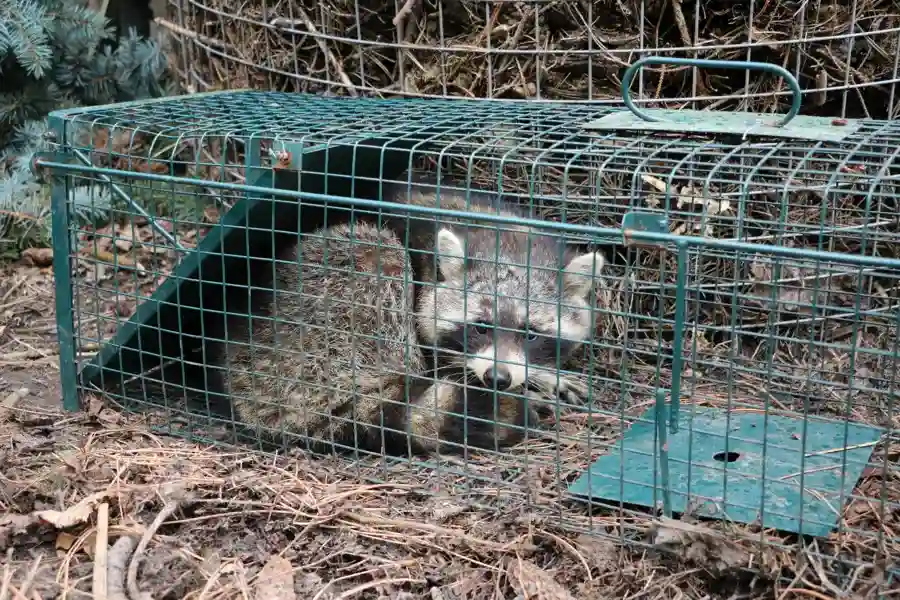
If you hear heavy thumping in the attic at night or see torn shingles, a raccoon may have found a way inside. During raccoon removal, these problems almost always trace back to an unsealed roofline or vent. Raccoons are smart and persistent. They test different areas until they find a soft or rotted section.
Common Symptoms of Entry Points
Before the actual animal control visit, most homeowners notice warning signs. These signs often point straight to the opening the raccoon used.
- Loud scratching or walking sounds after dark
- Insulation pulled down or scattered
- Droppings near attic access points
- Bent or lifted roof shingles
- Metal vent covers pulled loose
If you walk around your home and see damage near the roof or foundation, there is a good chance that is where the animal entered.
Likely Causes of Raccoon Entry
Raccoons do not usually break into strong, solid structures. They look for weak areas caused by age, weather, or poor repairs. Wood rot along the roof edge is very common. So are loose soffits and fascia boards.
Chimneys without caps are another favorite. A raccoon can climb brick with ease. Once inside a chimney, it may build a nest on the smoke shelf. Crawl spaces with broken vents also attract raccoons, especially during cold or rainy months.
Homes near trees have added risk. Overhanging branches give raccoons easy roof access. From there, they explore until they find a gap.
What to Check First Around Your Home
Start with a simple ground-level inspection. You do not need to climb onto the roof right away. Walk slowly around the outside of your home and look up.
- Check roof edges for loose or lifted shingles.
- Look at soffits and fascia for holes or soft wood.
- Inspect attic vents for bent screens.
- See if the chimney has a secure cap.
- Examine crawl space vents for damage.
Also check for greasy rub marks. Raccoons often leave dark streaks around entry holes from their fur.
Safe Fixes Vs Pro-Level Fixes
Some small repairs are safe for homeowners. Replacing a basic vent cover or trimming back tree branches can lower risk. Sealing minor cracks with proper building materials also helps.
However, never seal an entry hole if you are not sure the raccoon is gone. During raccoon removal, a full inspection inside the attic is done first. If babies are present, blocking the mother out can lead to noise, odor, and more damage.
Roof repairs, chimney caps, and structural wood fixes often require ladders and tools. These repairs should be handled by trained technicians who understand wildlife behavior. Animal control services also use exclusion doors that allow raccoons to exit but not re-enter.
Prevention Tips to Avoid Future Entry
After raccoon removal is complete, the focus should shift to prevention. A few simple habits can make a big difference.
- Trim branches at least 6-8 feet from the roofline.
- Install heavy-duty vent covers made of steel.
- Add a chimney cap with a secure screen.
- Repair roof damage as soon as it appears.
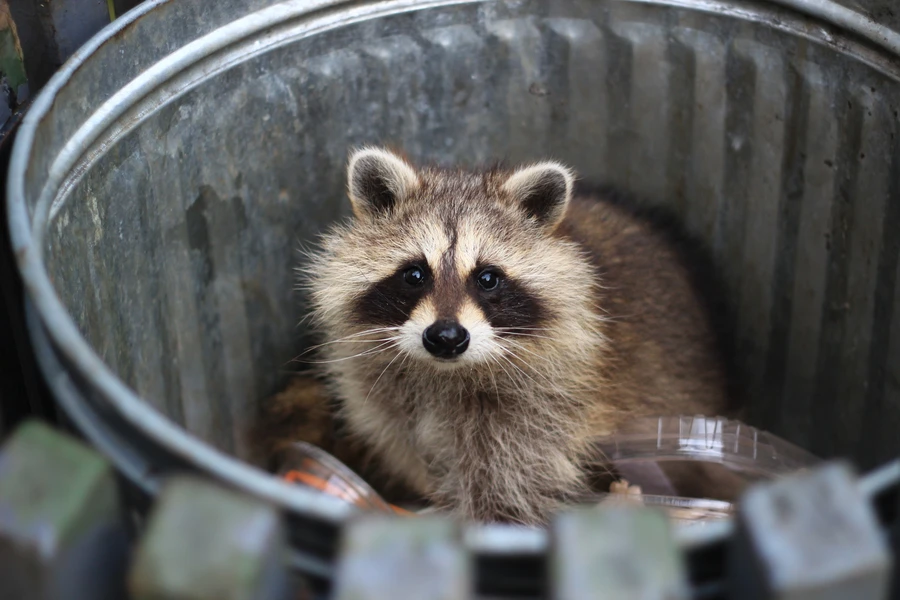
- Keep trash bins tightly sealed.
Regular home checks each spring and fall help catch small issues early. Raccoons often return to places where they found shelter before, so strong repairs matter.
When to Get Expert Help
Call for help if you hear active movement, see repeated damage, or suspect babies in the attic. Raccoons can become aggressive if trapped or cornered. They also carry fleas and diseases that pose health risks.
Professional raccoon removal includes inspection, safe removal, sanitation, and entry point sealing. Missing even one small gap can lead to another invasion within weeks.
Schedule a Full Home Inspection
If you live in Camden, SC and suspect raccoons have entered your attic or crawl space, we can help. At Watfords Nuisance Wildlife Trapping of Camden, our team handles raccoon removal and long-term sealing repairs. Call (803) 339-8301 to schedule an inspection and let us secure your home the right way.